The Real Scanner

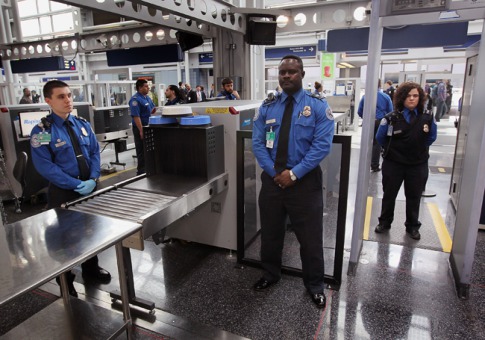
Kelly stood in line for security at the airport. He emptied his pockets, took off his shoes, took off his belt and waited. He walked through the scanner. It beeped.

“We’re going to have to pat you down,” one of the security agents said. They patted and prodded him thoroughly in front of the waiting people and then sent him back through the scanner again. It beeped again.

“Better take off your pants,” the agent said. Kelly blinked in surprise but finally took off his pants and sheepishly moved through the scanner. This time it did not go off.

“I’m pretty sure there wasn’t any metal in my pants,” he said as he put them back on. “How did you know?”

“Oh, this isn’t a metal detector; it’s a dignity detector. You’re clear to go now. Have a nice day!”


Cheating 101

The professor walked to the front of the first Intro to Cheating class and turned to face the class.

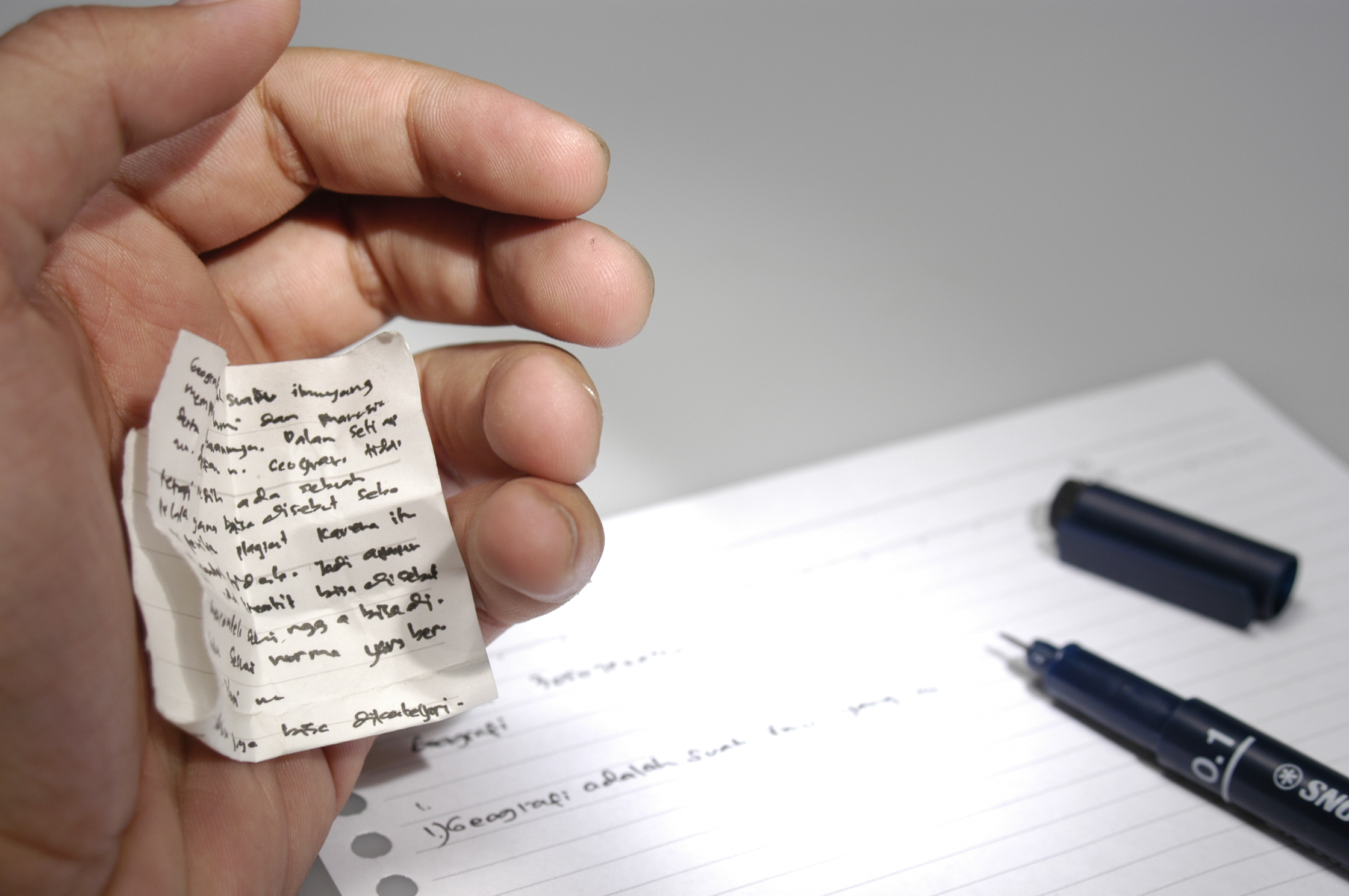
“Good morning, class,” he said. “This is the first class of the new Cheating 101 class. As you probably all found out on Google, the university discovered that students were spending far more energy cheating on their assignments than actually studying. Since we wanted to promote a positive attitude and didn’t want to let this effort go to waste, the university created this course. Actually, I saw a Chinese university do it and I stole the idea.

“I’m not asking you to work hard, but you must still do all the assignments…or at least be able to hack into the system to change your grade. Whatever works for you.

“Now, a few points about the class. Cell phone use is permitted, but I will dock you a point for every time I notice. Also, it is forbidden to see the syllabus for this course, so I assume you’ll all figure out where to find it somehow. Tomorrow’s assignment is to not come to class, but still be marked present. And yes, I will be taking attendance.” With that, the professor turned and walked out.

Jared called his friend Rob, who was in the same class but hadn’t bothered to show up. “I think you’ll do fine in this course,” he said.

The next few weeks were a mixed bag of assignments they had to do, assignments they had to not do but make it seem like they had done and assignments that were given, Jared suspected, just to see if anyone would do them. Just before the third weekend of the course, the professor ordered them to de-grasshopper the quad by Monday. Jared paid a janitor five bucks to write a letter saying that he had done it. He got an A.

The final week approached and rumors began to spread about the final exam. One of the students had broken into the records office and stolen the syllabus to the course, so they all knew the final exam was worth 50% of their grade. A day before the final class, the professor did not show up. Instead, a courier appeared with a letter, gave it to Jared who was sitting next to the dosor, and left.

Jared read the letter, broke into a cold sweat, and then read it again. Finally, he stood up and read the letter aloud.

Dear students,” he read. “I am not coming to class today, because I didn’t feel like it. Give me a bad performance review though and I’ll fail you all. Your final exam is tomorrow. I have looked at your transcript to see what you have studied and tomorrow I will put you in the final exam of an upper level course of a subject you have never studied before. The teacher does not know you are part of this course, but you will need to cheat to pass the test and pass this course. Don’t get caught if you want to pass this course.

The next day Jared found himself in a class of ten students, staring at an Existential Trigonometry exam. Apparently it was about real numbers, but dealt with what it meant to be real and the point of not being imaginary numbers. Jared did not have a chance without cheating.

Using what he had learned in the course, Jared quickly stole the cell phone of the boy sitting next to him and gave him his instead. Then he texted his mom from the boy’s phone to say she had won the lottery. Predictably, she called him to tell she had won and the cellphone of the boy next to Jared rang.

“You have a cell phone?” the professor said to the boy. “You fail. Leave now.”

“But this isn’t even my—”

“Too bad. Get out.”

The boy left, confused and crestfallen, and a cute girl moved over next to Jared. Every few minutes during the test, Jared would slip her roses or small gifts that he had brought. The girl would smile and then, occasionally, pretend to stretch and show him her answers. Two exhausting hours later, Jared left with a completed test and the girl’s number, while she left with a garbage bag full of flowers and gifts.

“Well, it’s over,” Jared said to Rob later in their dorm room. “It wasn’t easy, but I think I passed. How did you do?”

“Oh, the final?” Rob glanced over from watching TV. “I paid the teacher a thousand dollars to tell our professor I passed the exam. I didn’t even show up for it.”

“You just paid him off?” Jared protested. “Well that’s not fair at all!”


If You Could Live Anywhere

“If you could live anywhere, where would you live?” Allison asked.

Jordan thought for a moment. “I’d live on the Hubble Telescope.”

“You can’t live there. There’s no air or place to sleep.”

“It’s a hypothetical question, right?” Jordan said. “So any answer is allowed.”

“Fine, why would you want to live there?” Allison asked.

“Who wouldn’t want to live there? You could turn away from the Earth with all its ugly problems and gaze out forever onto the vast expanse of the universe. Instead of worrying about war and poverty and finding the right person to marry, I could look out forever on God’s grand creation and fill my soul with beauty.”

“Wouldn’t you be lonely?”

“You could visit sometimes, if you want. So, where would you live?”

Allison shrugged. “I don’t know now. I was going to say the tree house.”


(So…if you could live anywhere, where would you live?)


The Thing in the Mausoleum

(This is meant as an homage to H.P. Lovecraft. It’s not as good as his work, of course, but it’s a similar style.)

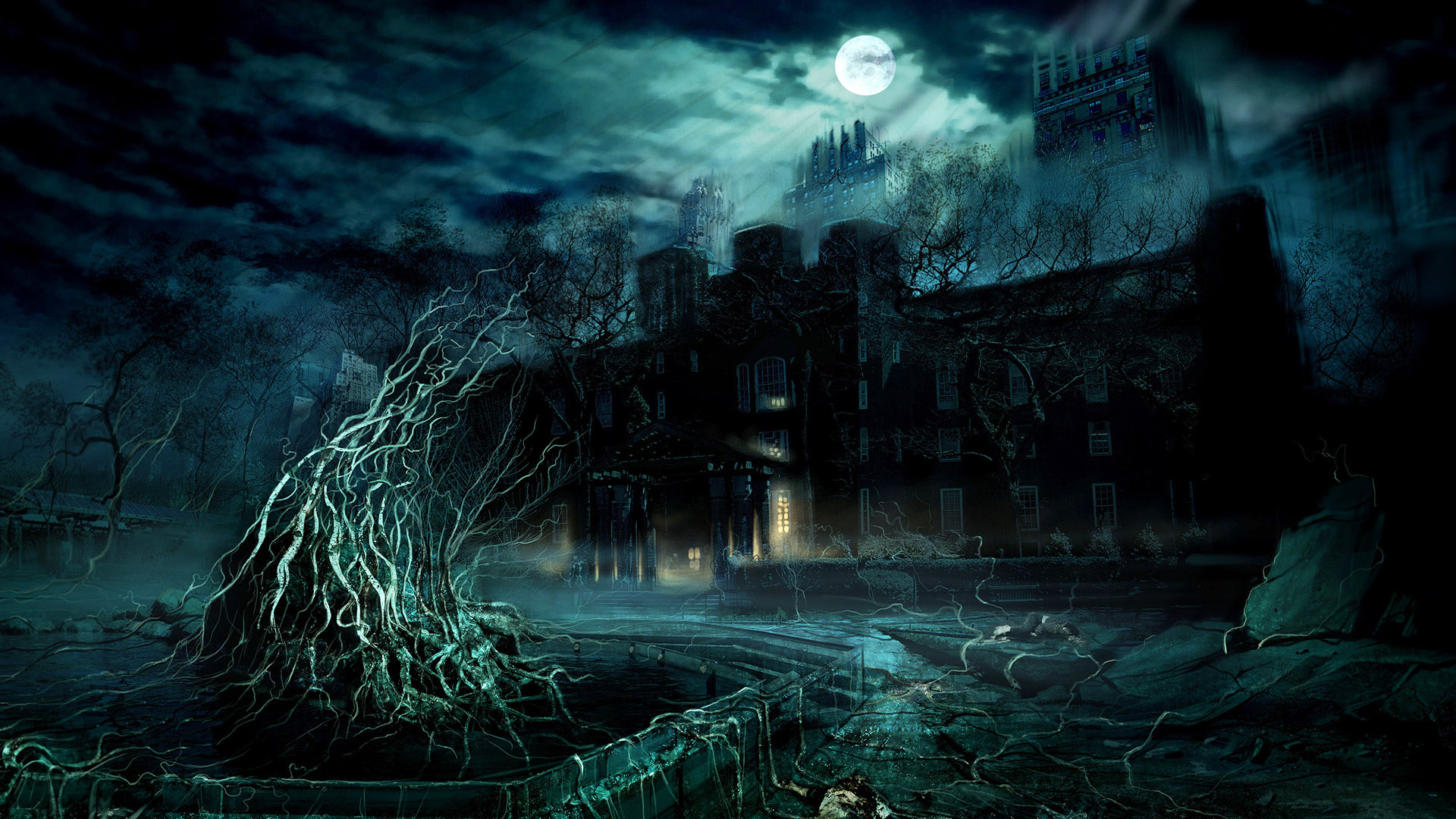
Brock Harbor has been destroyed and no one can agree on how it happened. The official story, the one published in the paper, tells how a propane refueling station exploded, leveling most of the buildings in the town of 4000 and starting fires that claimed the rest. No official reports mention the troops that descended on the town with flamethrowers just before dawn or the eerie glowing thing that that many witnesses claim to have seen moving among the houses. I was more than a witness. I helped start it all.

Dr. Robert Julius was a brilliant scientist and a close friend of mine for many years. He was primarily a physicist, but later in his life he became fascinated with the occult, at least  in its original meaning of “that which is hidden”. He was convinced that there was a connection between traditional science and spirits. One day I came into his laboratory to see him poring over a large manuscript written in a heavy, Gothic script.

“It’s old German,” he said in response to my question. “A translation of an older Persian work on what the text calls damons.”

“Demons?” I asked, my lips curling in amusement.

“Not exactly,” he said. “These beings have often been confused in folklore with the traditional spiritual demons, but the Persian actually means ‘the things that lurk beyond’. I call them ‘Those Beyond’. What they are, however, I am not entirely sure. The text hints at a physical body, but also extreme longevity and powers of some sort.

Those Beyond could not be killed, but they could be contained and held captive, Robert continued. The manuscript gave a symbol that was said to be used in containment rituals, a radiant sun with a curling serpent entwining it. I was not surprised when he told me that he was searching everywhere for an example of that symbol.

Two months later, I was awakened in the middle of the night by a phone call from Robert. At first, I feared bad news, but his excited tone soon reassured me. He had found the symbol, he said, among photos from a cemetery in Brock Harbor, Connecticut. It was small and faded, but he was positive it was the same one. I valued my sleep and so would not let him continue too far, but promised that I would go to his laboratory the next day.

The next day he showed me the photos and I will admit that I became intrigued. The symbol was found stamped on the door of the  mausoleum of a family named Drake.

“They say that the grandfather of the family, Jeremiah Drake, had seen action against the Ottomans during World War I and had reportedly returned to Brock Harbor with several strange objects. He had become obsessed with death and had built the mausoleum while still in his forties. The whole family became close and secretive and it was said that at times they visited the mausoleum in the dead of night. The last of the Drakes died ten years ago, but by then, such an aura of fear surrounded the mausoleum that the town coroner went against the wishes of the deceased and had him cremated instead.”

“And you are going to go find this mausoleum?” I asked, knowing full well the answer.

“We are going to go find it together,” he said, giving me his characteristic mischievous smile.

I put up some token resistance, but the truth was I found the proposition exciting. Not that I truly believed we would find anything, of course. We left the next day and took the train north to Brock Harbor. We reached the town just as the sun was going down.

We found a hotel and a place to eat and then waited restlessly for the midnight to come before we started. Robert asked a few of the locals about the Drake mausoleum but as soon as he mentioned the name, they got up and left, giving him dark looks as they did.

A little before midnight we went to the room and Robert went through the equipment he had brought: a lantern, rope, crowbars, and finally, a revolver.

I looked at him questioningly. “You said these things couldn’t be killed. What possible use could that be?”

“You never know, my friend,” he said with a smile. “Best to be prepared for anything.”

We left the hotel a little before midnight and walked down the main street. The cemetery, we had discovered, was on the hill overlooking the town. The iron wrought gate was locked but we climbed it and Robert lit the lantern.

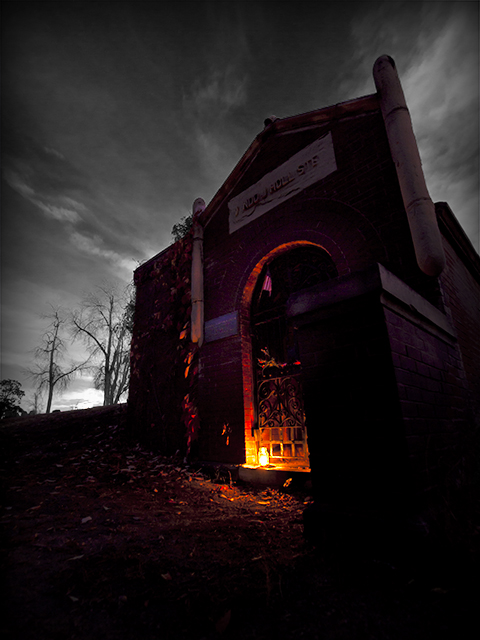
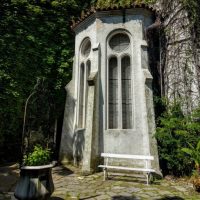
The mausoleum was immediately apparent. Set in the back of the cemetery, it loomed fifteen feet tall above the other graves. It was made of black stone that was as dark as coal and seemed to absorb the light of our lantern. No other graves stood near it and it was surrounded by a low ridge of raised ground. A shiver went down my spine as I stepped over it.

The doors of the mausoleum were made of a heavy, dark wood and banded with iron, but the handles were only padlocked together with a chain. Robert took out a crowbar and after a moment of effort, forced the lock open. The noise of the chains rattling to the ground seemed like bells in the night silence. I looked around in panic, but no one was nearby. Robert snorted at my cowardice and pushed the doors open.

Inside the vault, racks on either side held eleven coffins, with space for five more. The center was open and paved with black granite. At the far end was an altar carved with the symbol of the serpent coiling around the sun.

“Look,” Robert said. He pointed to the top of the altar and I could see the tiny skeleton of some animal—perhaps a cat—that had been cut in half. The skull was missing.

“What now?” I asked. Fear was coming over me in waves. I could not see how Robert could appear so calm.

“Hide the lantern for a moment, would you?” Robert said. He wasn’t looking at me; he was examining the sides of the altar. I threw my coat over the light and the vault was thrown into utter darkness.

All except for a tiny square of light. It was shining in thin lines, as if through thin cracks. Robert had me take out the light again and I saw that the light had come from around the central stone of the altar, the one with the symbol carved in it.

Robert proposed levering out the stone but I refused to help. All I wanted to do was escape and I repented of every thinking of helping him. In the end, I went outside to keep watch. I heard the clank of the crowbar and the slow scrape of stone. Then there was a thud and an unearthly light suddenly shone out of the door of the mausoleum.

I looked in, although my knees were shaking. Robert was standing frozen in silhouette in front of the light that was now pouring out of the hole in the altar. It seemed to grow brighter and then spread, as if it were seeping through other cracks. I heard a stone crack and the top of the altar exploded upwards, showering the inside of crypt with stones and tiny bones.

“Robert, don’t be a fool! Get out of there!” I shouted. He didn’t move, even as the light increased and something crawled and groped its way with luminous tentacles out of the hole where the altar had been.

Robert’s head suddenly jerked to the side convulsively and he clawed at the revolver in his pocket. “Get out of here, Freddy!” he shouted. The last thing I saw was Robert’s black form pointing the revolver at the hellishly bright thing that now filled most of the mausoleum. Then terror overcame me and I ran and stumbled to the cemetery gate. Just as I reached it, I heard a shot.

I was torn. I could not go back, but I did not want to leave Robert, even if he were dead. I looked back to see that the glowing thing had emerged from the mausoleum and was making its way swiftly towards the fence. It was an amorphous, writhing mass of half-formed serpent-like shapes that constantly grew out and then dissolved back into the central mass. The fence seemed to disintegrate in front of it, and then it was gone, down the hill and towards the town.

I made my faltering way back to the mausoleum. The lantern was still on, although knocked to one side. In its flickering light, I could see Robert’s body lying on the cold, black marble, shot through the head with his own revolver. I left him and ran.

The thing was among the houses by then. It seemed to have grown and was slowly crushing the houses beneath it, enveloping them one by one. I heard screams of terror and pain like I have never heard come up the hill and I thought I would go mad.

I saw many things that night, some of which I only remembered later through hypnosis. The army found me, running wildly along the highway, sobbing and tearing at my hair.

That was two months ago. The doctors say I have made great improvement and they have finally allowed me to go home. I went willingly, but there are times I wake up to hear those terrible screams coming back endlessly to me through the memories of the night.


The Secret Lives of Strangers

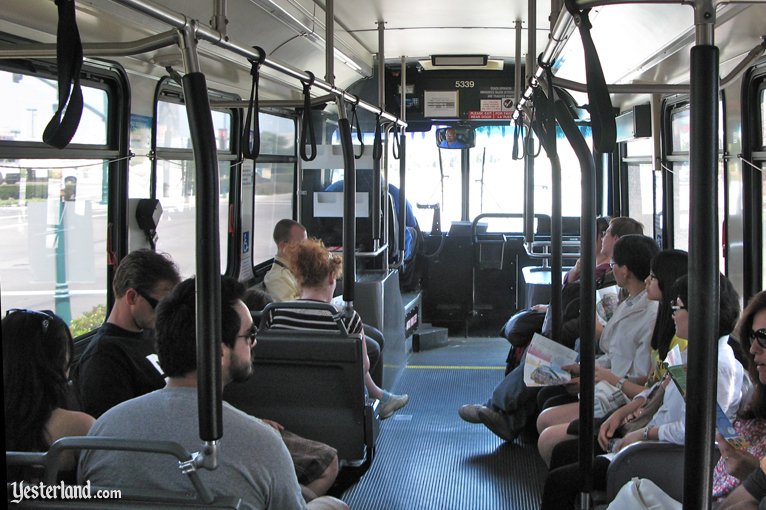
“Do you think that strangers are strange? There’s no way to really know. One of the things I love about strangers is that you can’t really know anything about them. Get to know them, you say? Then they’re not strangers, are they?” Francis said all this while gesticulating somewhat ferociously at the woman sitting next to him on the bus.

“I’m sorry, I don’t know you,” the woman said. She got up and stood by the door.

“That’s my point, exactly,” Francis called after her. “I could be anyone: a movie star, or even an axe murderer.” From the looks he was getting, the passengers on the bus considered the latter to be vastly more likely.

But Francis was no axe murder; he just liked to watch people and he felt that he had a gift for telling things about people, just by looking at them.

A man got on the bus. He wore a faded leather jacket and a baseball cap that said “USS Missouri”.

Francis sized him up. A former sailor? No, it was too obvious. This man was a pirate. He used to be a consultant for the Somali pirates and retired here to live with his harem of semi-legal Chinese immigrant wives. He takes the bus because he always carries a pistol and his road rage is constantly teetering on the edge of erupting, Vesuvius-style.

The man put a hand into the pocket of his jacket and gave Francis a meaningful look. Francis looked away quickly.

A woman got on at the next stop. She was a gorgeous brunette and wore short shorts and pink midriff top.

A former model, Francis thought immediately. She made millions on the runway, but retired after becoming disillusioned with the lifestyle. She rides the bus because she’s looking for a normal guy to settle down with: someone slightly overweight and wearing a clever T-shirt.

The woman walked by Francis without even reading his clever T-shirt. Well, it doesn’t always work, he thought.

An elderly woman climbed laboriously onto the bus. She didn’t interest Francis much, but he was fascinated by the small poodle she held in her arms.

That dog has rabies, Francis thought. It’s taken some medicine for it, so it’s okay now, but any sudden movement and it will Hulk out and start attacking everyone. Even a sneeze will set it off. Francis shifted to the middle of the seat to try to keep the woman and her dangerous poodle from sitting next to him.

The next person to get on was a girl in her twenties. She wore glasses and carried a thick stack of books with titles like Molecular Geometry. She sat down next to Francis.

What if she’s a terrorist? Francis thought with a chill. What if those books are loaded with explosives and she’s just gotten out a terrorist cell meeting and now she’s on a mission? She probably worships Egyptian deities and has dedicated her life to avenging them for being forgotten by humans. The woman opened the top book and began reading about obtuse angles in sodium hydroxide.

Francis looked out the window to find some more strangers to daydream about. The bus was four stops from his house when suddenly the girl next to him jumped up and pulled an Uzi out of a hollowed-out Metaphysical Economics book.

“Everybody down!” she screamed. “We’re taking this bus to Mexico. Stay down, or by Anubis, I will shoot you like a jackal.”

“Oh no, we’re not,” the man in the brown, leather jacket roared. “I have to get home to my wives.”

He jumped up and pulled a gun out of his pocket, but in the process, jostled the elderly woman with the poodle. The poodle let out a howl and jumped to the floor. It started frothing at the mouth and running around, peeing on everything and trying to bite people’s ankles.

Francis tried to make himself smaller as he looked out the window. I have a terrible, terrible gift, he thought.


Travelers Beware

“Hey there, which way you going?” The woman leaned casually against the side of Leonard’s car, as if she didn’t care what the answer was. She had come over to him as he was about to pull out of the gas station and he had, against his better judgment, rolled down the window for her.

“I’m heading to Pensacola,” he said, after a moment. Then, because it seemed expected of him, “Do you want a ride?”

“I’m not going that far, but maybe you could take me up the road a ways, just to the next truck stop. I really appreciate it.” She gave him a hungry smile, opened the door and got in.

This scene was caught on the gas station surveillance camera. Neither Leonard nor the woman were ever seen again. Leonard’s car was discovered three days later outside of Portland, Oregon, 2400 miles away from where it had been last seen. The doors were locked and the driver’s seat was severely burned, although no other damage was evident. No human remains were ever recovered.

When the car’s GPS showed that the car had driven the entire way without stopping once, the investigators closed the case as quickly and quietly as possible.


Meanderbus

I live in the town of Jeonju, South Korea. It’s a medium-sized city of 650,000 people in the southwest of the country. It has always been famous for being a traditional, historic Korean city.

Then they elected a new mayor: Mayor Kwak Min-Gi. He was young for a mayor and had an artistic temperament. He wanted to make Jeonju into a easy-going, free-spirited, stop-and-smell-the-roses sort of city. Not a very Korean ideal and a bit of a hard sell.

One innovation was the “karaoke stoplights”. Now, instead of being on timers, each intersection has a song assigned to it. Directional mikes are set up and the side that sings the loudest gets to go next. If you get stuck with a bunch of sullen drivers, you can sit there for twenty minutes or more. People were a little resistant at first, but it slowly caught on.

Now, to get across town to my friend’s house I have to sing three Korean ballads, two K-pop songs and Adele’s “Rolling in the Deep.” Don’t think you can just let everyone else pull their weight either. Men in business suits will be leaning out of their windows, singing at the top of their lungs and yelling to everyone else, “Sing, dang you! I’m late for work!”

Another innovation was the “artistic vehicle” movement. Cars in Korea are almost complete black, white, or gray. Mayor Kwak offered huge discounts in vehicle taxes to anyone who decorated their own car. Koreans are natural artists and everyone likes to save money, so it didn’t take long to catch on. Now, you can look out on a traffic jam of green, yellow and neon pink cars; cars with Hello Kitty on the hood; cars with childish scribbles on the doors; and vans plastered with the entire casts of Korean dramas. The upside is that it is now very hard to lose your car in a parking lot.

My favorite innovation, however, was the “meanderbuses”. These were buses that did not have a set route. They just went wherever the driver felt like. These took a little longer to become popular and even now, they’re not used a lot. After all, it’s hard to take one to work when you don’t even know where it’s going. Which is precisely the reason I love them.

You have to keep your eyes peeled. There are only five meanderbuses for the whole city. You can follow them on Twitter if you want to know where they are currently, or just use the old-fashioned method, which is a group of spotters who keep each other informed.

Every time I ride one, I find a new place. Once the bus went out into the mountains on little one-lane roads for about an hour and drove past five toothpick factories in a row. Another time I found the Jeonju Museum of Culinary Snake Meat Substitutes. Who knew?

Last Thursday I was waiting at the bus stop to go to work when a meanderbus showed up. Of course I took it and called in sick. It was good that I did too. Mayor Kwak was on that bus, showing off the program to a group of reporters and government officials. They asked me how I liked it and I told them it was great. We cruised around Jeonju for a couple hours and then had lunch at a galbi restaurant that was housed in a former bomb shelter complex, built under Mount Hwasan. I didn’t even know it was there before.

Thanks, meanderbus!


Living with Fear

This was based on a story prompt by my good friend, Sharmistha, on her post, Who Was That? Check out her blog and write your own version if you wish.

I walked out onto the crushed gravel of the driveway, the only light coming from a window high up on the third floor. It was my bedroom, and the only inhabited room in the whole dreary pile. The rest of the manor, with its long corridors and sepulchral parlors was in the hands of another, at least during the night. It was a place where fear was as plentiful as the dark through which it flowed.

The mist was rising up off the lake, slowly taking the grounds for its own. I could feel its chilling caress as it flowed past me. My heart was pounding and my knees were shaking, but I swung the flashlight beam around, looking for the reason I had come. But the fog diffused the light and I could see nothing but the white mist.

Never look out your window after dark. That was my rule, which I obeyed faithfully for all those months I had lived alone in that gloomy mansion. But that night, as I drew the curtains fully closed, I happened to glance out and saw the flicker of a light below in the courtyard: not the bright beam of a flashlight from a lost hiker or a deliveryman, but the dim flicker of a lantern that had no place in the present age.

Never let the fear master you. That was my other rule, and so I ventured out to investigate, against the cries of common sense. I felt my neck prickle with premonition and I looked quickly back at the house. My eyes were drawn irresistibly to the roof and I saw it, the dark, cloaked figure looking down at me, so black that I saw its silhouette clearly, even against the night sky.

It could only be he, the long-dead master of the estate that I had usurped. For a moment, my will failed me and I ran inside, barring the door with futile bolts of steel.

Later, in my room I sat in dread anticipation by the glowing embers on the hearth. I had broken his truce and I did not know what would come. The darkness closed around me, pressing on me, until I did not dare move to build up the fire or find refuge in bed.

I heard the door creak softly and then a soft, almost inaudible whine as it opened, slowly but inexorably.

I tried to control my rapid breathing. Never let fear master you, my mind screamed, but the words were lost in the whirling shriek of the blood rushing in my ears. The floorboards creaked, one by one, coming ever closer. I heard that quiet tread, back and forth, just out of sight. I needed to build up the fire, but I could not move. Just as the panic overcame my senses and darkness began to cloud my eyes, I groped for a piece of wood and pushed it forward onto the embers.

The fire flared up and I heard a hiss from the darkness next to my chair. Then my mind slipped into darkness.

I awoke, still in the armchair, with a sliver of daylight slipping between the heavy curtains. When I pulled them open, I found blackened footprints leading to and from the door. Whatever had made them had paced back and forth in a circle, just outside the light of the fire.

From that day on, I never looked outside after dark and I kept the fire built high, especially on foggy nights.


Rice Pilaf Surprise

I went into my favorite restaurant and saw that there was a new item on the menu: Rice Pilaf Surprise. I’m not really a fan of rice pilaf normally, but the “surprise” part intrigued me. So I ordered it.

I was halfway through when I discovered a twenty-dollar bill buried in the rice. I’ll admit,  it was a surprise. Not that I was complaining—the pilaf cost $3.50. I didn’t eat the rest though. After all, money is dirty. What I did do was order another one.

In the next one, I found a five-dollar bill and a bunch of quarters. In the next, there was nothing but two Lincoln Logs and a Lego pirate figure, but in the next one was a gold necklace that had to be worth something.

“You’ve got quite an appetite today,” the waitress remarked, as I ordered my fifth Rice Pilaf Surprise. She pointedly ignored the pile of plates filled with untouched food.

“I sure do,” I said. “Three more Rice Pilaf Surprises, please.”

All in all, that night I got $37.15, a gold necklace, the Lincoln Logs and Lego pirate, three pieces of wire and an old cell phone. All I had to do was buy ten Rice Pilaf Surprises.

Since then I go back every day, usually ordering 10 to 12 at a time. For the last week, it’s been mostly dead rats, shreds of newspaper and some old car parts. Still, I’m not worried.

 I feel a hot streak coming on.


The Girl Who Could Snee

This is not directly related to the story, but it is the inspiration. Source

There was once a little blind girl named Margaret who had few friends she couldn’t see. This sounds like a lonesome proposition for someone born blind, but in fact, Margaret had many friends. She could not see them in the traditional way, but that did not bother her one bit. When her mother told her that she was blind and could not see, she accepted it calmly and then proceeded to make up her own word for her perception of those creatures that were dancing and waving all around her. She called that sense “snee”. She couldn’t see at all, but she could snee with the best of them.

The things she snaw (the natural past tense form of snee) were usually larger than she was and generally happy. They differed from each other much more than humans did. What’s more, they drew to Margaret like a horde of hungry children to a single lollipop. Apparently there were not many people who could snee.

The sense of snight was a strange one. She could not snee anything she could touch. When she asked her mother why this was, her mother (who did not understand the idea of sneeing) patiently explained that it was because she was blind. As well, with the creatures Margaret could snee (she called them snurps), she could tell their emotions, their motivations and their basic personality at once, as if they were wearing all that information on a badge on their chest. This was good to know, but all of the snurps Margaret snaw were kind and benevolent. Actually, she had never sneen a bad snurp in her life.

Of all the snurps Margaret knew, three were especially close to her. They didn’t have names before she met them, but she called them Splik, Drizzlepop, and Mr. Crustypeppers.

“Good morning, Margaret.” She woke up and saw her three snurp friends looming over her (she did not need to open her eyes to snee things. This made it hard to get to sleep when they were capering around her at night, generally acting like buffoons). The alarm clock went off, beep, beep, beep and she swiped at it, accidentally knocking it to the floor.

“Beep beep beep,” Drizzlepop said in a chortling monotone. “Beep beep beep. I like human music.”

“Happy birthday, Margaret,” Mr. Crustypeppers said. He held out his two translucent blue arms that looked like they were carved from ice. There was just empty space between them. “We baked you a cake! You just can’t snee it,” he added with a wink.

“Thank you guys,” she said, sitting up in bed and yawning. “Thank you, Mr. Crustypeppers, you piece of garbage. You really are a stupid cow.” Mr. Crustypeppers beamed and put the invisible cake carefully down on her desk, also invisible to her. She had once told the snurps about insults and Mr. Crustypeppers had been so tickled with the idea that he had insisted she insult him at every opportunity. If she forgot for a while, he would prompt her, saying, “So, Margaret, who’s a stupid cow?” Then she would remember and say, “You are, Mr. Crustypeppers,” and he would grin with pleasure, showing both rows of his long, blackened fangs.

In reality, it wasn’t her birthday. Every so often, the snurps would get it in their heads that it was her birthday and they would have a party. She had told them about birthdays but she wasn’t sure they really understood it. She wasn’t sure they understand the idea of time, for that matter.

Margaret was getting dressed when her mother came in. The slurps were outside by the road—Margaret could see them capering around, running back and forth, dodging things that were invisible to Margaret.

“Marg, we’re going to go for a drive after breakfast,” her mother said. “Dad got the day off, so we’re going to go have a picnic. Does that sound good?”

It did sound good to Margaret and an hour later, they were on the highway, headed for a state park called Pickett’s Notch. Margaret had never been there before. Of the three snurps, only Splik was in the car with her. He liked to sit down, although his tentacle-like arms were hanging down through the floor of the car and bumping along on the road surface. He was much taller than her and his head was probably sticking up through the roof. Drizzlepop had no legs and was floating along next to the car. She could just hear him singing along with the hum of the engine. Mr. Crustypeppers was nowhere to be seen. He often disappeared when they went on long trips and showed up when they arrived. Margaret was not sure how he traveled.

On the way, she snaw other snurps floating by or bounding through the air above them. They all waved and called her name. Even snurps she had never met before knew who she was. She gave small waves in greeting, but could not say anything without worrying her parents.

The breeze felt fresh and warm when Margaret opened the door and stepped out at Pickett’s Notch Park. Her mother told her how beautiful the view was; how green the trees were and how she could see for miles out over the valley.

Margaret could see nothing. Instead, she snaw two green snurps standing a little ways off, staring at her. She could tell instantly that they were not friendly and they did not want anything good for her. It was a scary feeling to see that kind of malevolence in a snurp. The green snurps just stared at her, not moving.

“Mom?”

“Yes?”

“I don’t like it here. It’s scary,” Margaret said.

“Scary?” Her mom laughed. “What are you talking about? It’s a gorgeous day: the sun is shining and there’s a wonderful breeze. Plus, there are other people here. See?” Even after eleven years, her mother still had lapses of forgetting she had a blind daughter.

She took Margaret by the hand and led her towards the green snurps and then past them. Margaret’s sense of unease continued to grow. They went down a short slope and Margaret suddenly snaw another snurp come into view. It was one of the biggest ones she had ever met and thin and willowy. She knew immediately that it was evil.

It looked at her for a moment, then started towards her. “Margaret,” it said in a dry hiss of a voice. “I have heard quite a bit about you. I heard you could see us.”

“I can’t see a thing,” Margaret said. “But I can snee you fine.”

This response made the snurp pause. At the same time, Margaret felt a hand on her arm.

“Come sit down, Marg.” It was her father. “Your mother has a blanket laid out.” There was worry in his voice. She knew that her parents sometimes overheard her talking, apparently to no one, and they didn’t know what to do about it. They worried, but not understanding, they tried to ignore it. They couldn’t hear the snurps, only her.

“I’ll be there in a moment,” she said. Splik and Drizzlepop had moved in front of her and were trying to make themselves look bigger. She looked back to see other snurps above her at the top of the unseen hill. She had never sneen snurps fight or attack a human and she wondered what would happen.

At that moment, Mr. Crustypeppers appeared out of nowhere. He gave a keening scream, like the howl of a furious predator. Hearing that noise of rage from her sweet, happy Mr. Crustypeppers scared Margaret more than anything.

Several other snurps appeared behind the tall, willowy one. There were about twenty of them, then twenty-five. She looked behind her. Only her three friends were close. There were other snurps further back, looking on.

There was going to be a fight and someone was going to get hurt. She was not sure how a snurp could get hurt, but her three friends were vastly outnumbered and about to defend her.

“Mom, Dad!” she cried. They were there in a moment, asking what was wrong.

“I know you won’t understand, but this place is dangerous. Please, we have to get out of here now.”

“But Marg, we just got here. I made all this food.” There was hurt and disappointment in her mother’s voice. Just be normal and let’s go have a good time, Margaret added mentally, in her mother’s voice.

“I’m so sorry, but we have to go now.” Margaret started moving back up the slope, feeling her way as she went. Her parents did not say another word. Her father took her arm and gently guided her to the car. She could hear the clink of dishes as her mother packed up the food she had prepared.

Margaret looked back. The evil snurps had followed them back to the car, but had not tried to attack. Splik got in the car with her, his eyes glowing in a way she had never sneen before.

They had a subdued picnic in the backyard. Her parents did not ask what the trouble had been at Pickett’s Notch and she was too disheartened to try to explain what they could never understand.

It was really hard having parents who could not snee.

That night, her three friends crowded around her bed as she went to sleep.

“Would those bad snurps have hurt you?” she asked them.

“We will protect you,” Drizzlepop said and the others nodded, conveniently not answering the question.

“Thank you for appearing and defending me, Mr. Crustypeppers,” Margaret said. “You really are a stupid cow.”

The grin on his face told her that it was all she needed to say.



The Elephant's Trunk

🐘 Nancy is a storyteller, music blogger, humorist, poet, curveballer, noir dreamer 🐘

Thru Violet's Lentz

My view, tho' somewhat askew...

The New, Unofficial, On-line Writer's Guild

Aooga, Aooga - here there be prompts, so dive right in

Just Joyfulness

Celebrating joy

Tao-Talk

You have reached a quiet bamboo grove, where you will find an eclectic mix of nature, music, writing, and other creative arts. Tao-Talk is curated by a philosophical daoist who has thrown the net away.

H J Musk

On reading, writing and everything in between ...

Clare Graith

Author, Near Future Sci-Fi, Dystopian, Apocalypse

Kent Wayne

Epic fantasy & military sci-fi author.

Rolling Boxcars

Where Gaming Comes at you like a Freight Train

Lady Jabberwocky

Write with Heart

Fatima Fakier

Wayward Thoughts of a Relentless Morning Person

Life in Japan and Beyond

stories and insights from Japan

The Green-Walled Treehouse

Explore . Imagine . Create

One Minute Office Magic

Learning new Microsoft Office tricks in "just a minute"

lightsleeperbutheavydreamer

Just grin and bear it awhile

Linda's Bible Study

Come study God's Word with me!

Haden Clark

Philosophy. Theology. Everything else.

Citizen Tom

Welcome to Conservative commentary and Christian prayers from Mount Vernon, Ohio.

The Green-Walled Chapel

Writings on Faith, Religion and Philosophy

To Be A Magician

Creative writing and short stories

My music canvas

you + me + music

Eve In Korea

My Adventures As An ESL Teacher In South Korea

Luna's Writing Journal

A Place for my Fiction

Upper Iowa University

Center for International Education

Here's To Being Human

Living life as a human

jenacidebybibliophile

Book Reviewer and Blogger

yuxianadventure

kitten loves the world

Strolling South America

10 countries, 675 days, 38,540km

It's All in Finding the Right Words

The Eternal Search to Find One's Self: Flash Fiction and Beyond

Reflections Of Life's Journey

Lessons, Joys, Blessings, Friendships, Heartaches, Hardships , Special Moments

Ryan Lanz

Fantasy Author

Chris Green Stories

Original Short Fiction

Finding Myself Through Writing

Writing Habits of Elle Knowles - Author

BEAUTIFUL WORDS

Inspiring mental health through creative arts and friendly interactions. (Award free blog)

TALES FROM THE MOTHERLAND

Straight up with a twist– Because life is too short to be subtle!

Unmapped Country within Us

Emily Livingstone, Author

Silkpurseproductions's Blog

The art of making a silk purse out of a sow's ear.

BJ Writes

My online repository for works in progress